
6.38 mm clear laminated glass
Understanding Non-Return Gate Valves Functionality, Applications, and Advantages Non-return gate valves, also known as check valves, play a crucial role in various piping systems by ensuring the unidirectional flow of fluids. Unlike traditional gate valves, which allow for flow in both directions when opened, non-return gate valves are specifically designed to prevent backflow, thereby protecting equipment and maintaining system integrity. This article delves into the functionality, applications, and advantages of non-return gate valves in modern engineering. Functionality of Non-Return Gate Valves The primary function of a non-return gate valve is to prevent reverse flow in a pipeline. It accomplishes this through a simple yet effective mechanism that relies on the pressure differential across the valve. When the fluid flows in the designated forward direction, it lifts the valve disc or gate, allowing fluid to pass through. However, if there is a tendency for the fluid to flow back, the pressure difference causes the disc to close, sealing the valve and preventing any backward flow. A typical non-return gate valve consists of several key components, including the body, seat, disc, and spring (in some designs). The material used for the valve is usually of high quality, often made from metals like stainless steel, brass, or even plastic, depending on the application's requirements and the fluid type being handled. The design can vary, ranging from flanged to threaded connections, making it versatile for installation across various piping systems. Applications of Non-Return Gate Valves Non-return gate valves are widely utilized across many industries due to their reliability and effectiveness in preventing backflow. Some common applications include 1. Water Supply Systems In municipal water distribution networks, non-return gate valves are essential for preventing contaminated water from flowing back into clean water supplies. Their usage ensures compliance with safety regulations and protects public health. 2. Wastewater Treatment In sewage systems, these valves prevent the backflow of sewage into treatment plants or residential areas, protecting infrastructure and minimizing health risks. 3. Oil and Gas Industry Non-return gate valves are critical in oil pipelines to prevent backflow during pressure changes, ensuring smooth operational flow and protecting pumps and compressors from damage . non return gate valve 4. Chemical Processing In chemical plants, backflow prevention is crucial to avoid mixing of different substances, which can lead to dangerous reactions. Non-return gate valves protect against system failures by ensuring the controlled flow of reactants. 5. HVAC Systems These valves are employed in heating and cooling systems to maintain proper flow direction, ensuring efficient operation and preventing damage to system components. Advantages of Non-Return Gate Valves The benefits offered by non-return gate valves are significant and contribute to their widespread use in industries. Some of the key advantages include - Prevention of Backflow The primary advantage is their ability to prevent reverse flow, which is critical in maintaining the integrity of piping systems and preventing contamination. - Reduced Maintenance Costs Since they are designed for a specific function and typically have fewer moving parts, non-return gate valves are often more durable and require less maintenance compared to other valve types. - Versatility With various designs available, these valves can be adapted to meet specific operational requirements in different environments, whether it is high pressure, high temperature, or corrosive substances. - Improved Safety In many industrial applications, the failure to prevent backflow can lead to severe safety hazards. Non-return gate valves play a vital role in enhancing operational safety. Conclusion In summary, non-return gate valves are integral components in various piping systems that ensure the efficient and safe flow of fluids. Their primary function of preventing backflow helps protect infrastructure, maintain product quality, and enhance operational efficiency, making them indispensable in numerous industries. As technology advances, the design and material used in non-return gate valves continue to evolve, further improving their functionality and application range. Understanding their operation and benefits is essential for engineers and operators involved in fluid handling systems, allowing for the selection of the right valve for specific needs.
about
6.38 mm clear laminated glass
Understanding Level Frames Pricing A Comprehensive Overview In the world of art and photography, presentation is nearly as crucial as the artwork itself. Level frames have risen in popularity among artists, photographers, and art enthusiasts alike due to their understated elegance and versatility. However, understanding the pricing associated with level frames can be daunting. This article aims to provide a comprehensive insight into the pricing structure for level frames while highlighting the factors that influence costs. What are Level Frames? Level frames are a type of picture frame characterized by their sleek, clean lines and minimalistic design. Unlike ornate or decorative frames, level frames focus on providing a simple backdrop that enhances the artwork within. This contemporary look has made them a favorite for modern art, photography, and graphic prints. They generally come in various sizes and materials, including wood, metal, and composite options, catering to different aesthetic and budgetary preferences. Factors Influencing Level Frames Pricing 1. Material The choice of material significantly impacts the price of level frames. Wooden frames, especially those made from high-quality hardwoods, tend to be on the higher end of the pricing spectrum due to their durability and aesthetic appeal. Metal frames, while often more affordable, can also vary in price depending on the finish and design intricacies. 2. Size The dimensions of the frame play a crucial role in determining pricing. Standard sizes like 8x10 inches or 12x16 inches are usually less expensive due to mass production. In contrast, custom-sized frames often come with a premium price tag because of the additional materials and labor involved in their creation. 3. Customization Options Many suppliers offer customizable options for level frames, including color, finish, and matting choices. While these options allow for a more personalized touch, they often increase the overall cost. Customers are encouraged to consider how important these custom elements are to their presentation. level frames pricing 4. Brand Reputation Brands that are well-known for their craftsmanship and design may charge more for their level frames. Investing in a reputable brand can ensure a high-quality product, but it’s essential to balance brand value with your budget. 5. Accessories and Additional Features Some level frames come with added features such as UV protective glass or built-in hanging hardware. While these features can enhance the longevity and usability of a frame, they can also contribute to a higher price point. 6. Market Trends The demand for level frames can influence pricing as well. During peak seasons, such as holidays or back-to-school periods, prices may fluctuate due to increased demand. Staying aware of market trends can help consumers make informed purchasing decisions. Average Pricing Range On average, consumers can expect to pay anywhere from $20 to $300 for level frames, depending on the factors mentioned above. Basic frames in standard sizes with minimal features may start around $20, while custom frames with premium materials and finishes can reach upwards of $300 or more. Conclusion Understanding level frames pricing is essential for anyone looking to display artwork or photographs effectively. By considering factors such as material, size, customization options, brand reputation, and additional features, consumers can make informed decisions that suit both their aesthetic preferences and budgetary constraints. As level frames continue to gain popularity, keeping an eye on market trends will also enable buyers to seize the best opportunities for their framing needs. In the end, whether you are an artist, photographer, or an avid art collector, the right level frame can elevate your artwork's presentation and provide lasting enjoyment for years to come.
-

High quality industrial productsagement

High quality industrial products
View Details -

Meet the diverse needs of customers

Meet the diverse needs of customers
View Details -

Strict quality control

Strict quality control
View Details -

Top raw materials

Top raw materials
View Details -

Trusted supplier

Trusted supplier
View Details
Our application

news and information
Wood Villa House Truss Repair Mending Nails and Plates Solution
The Essential Role of Truss Mending Nail Plates in Wooden Villa Construction In the realm of archit

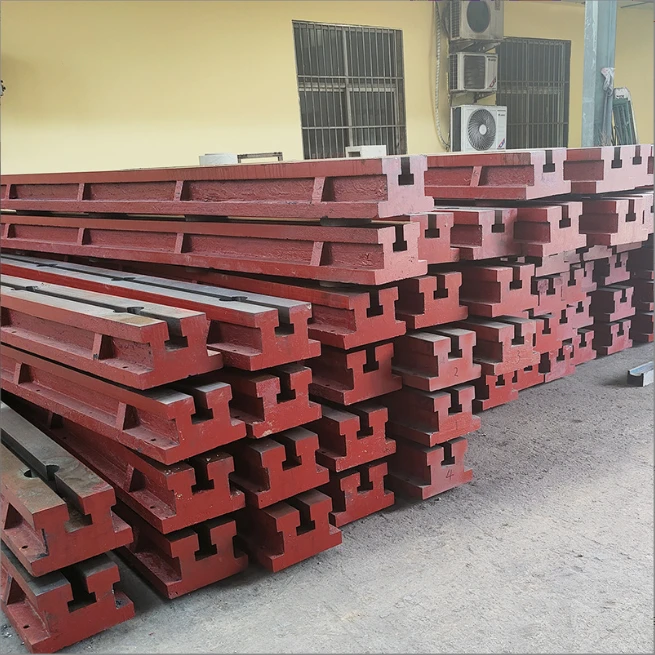
Welding Table Cast Iron Heat Resistance
In the realm of welding, the welding table serves as a crucial foundation for all operations. Among
Wskaźnik pierścienia gwintu standardowy
Standardy narzędzi do pomiaru gwintów – Gniazdo gwintowe Standardy narzędzi do pomiaru gwintów – Gni
 English